Cliffs? I'm old enough to remember when Rhule said it would take a million to get a QB in the portal and they all clutched their pearls ☠️.
n the new age of college football, the portal has become a major piece of roster construction. But what will schools be spending on program-changing talent?

www.on3.com
In the new age of college football, the
transfer portal has become a major piece of roster construction. But what will schools be spending on program-changing talent that enters the transfer portal? The quarterback market is expected to climb to $4 to $5 million for the top quarterbacks available.
On3 is breaking down the highest-valued positions in the portal:
QB market: $750K to $4 million
The college football quarterback market continues to grow. At least five quarterbacks made upwards of $3 million this season. The price tag for elite signal-callers continues to reach unprecedented heights. More than 20 starting quarterbacks across the country made over $1 million this fall. Tulane transfer quarterback Darian Mensah inked a two-year, $8 million contract last winter, and it’s a deal that could max out up to $10 million with incentives. Carson Beck
made roughly $3 to $3.2 million to start this season for Miami.
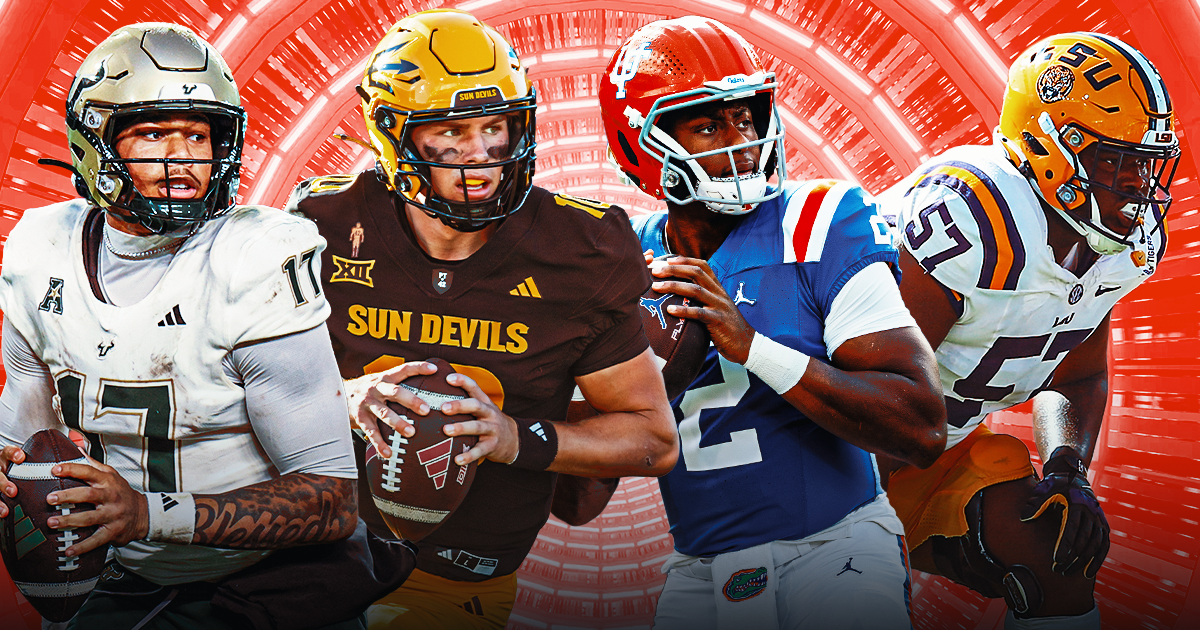
Now the quarterback market is flooded with high-end talent, including Arizona State’s Sam Leavitt, Cincinnati’s Brendan Sorsby and TCU’s Josh Hoover, among others. Sources have said those deals could touch $4 to $5 million.
DL market: $500K to $1.5 million
Starting EDGEs and defensive linemen continue to command mid-six-figure deals, but the top talent continues to push the market value up. Stanford EDGE David Bailey’s deal is north of the $2 million mark this season at Texas Tech. Schools have learned how important it is to jump on game-changing linemen, and the need for proven defensive linemen is not leaving college football. The $500,000 mark is really only the starting point.
The defensive tackle position has typically lagged behind EDGEs, but sources have told On3 that Wake Forest’s Mateen Ibirogba is expected to command a seven-figure payday. Winning in the trenches continues to be paramount to winning championships.
OL market: $500K to $1.2 million
The offensive line market, specifically for offensive tackles, sits in the $500,000 to $1.2 million range. But seven-figure deals for offensive linemen are only becoming more prevalent. The going rate for an elite starting offensive tackle is between $900,000 to $1.2 million. And with the portal bringing bidding wars, names like Isaiah World and Ethan Onianwa were both commanding seven figures last offseason. And if schools aren’t able to secure commitments from offensive linemen quickly on Jan. 2, the price points could skyrocket as schools work to nab commitments.
WR market: $400K to $1 million
The college football wide receiver market has grown sporadically in recent years, with the going rate for a starting wideout in the $700,000 to $800,000 range. Sources have also pointed out the impact of Ohio State star
Jeremiah Smith, who is one of the highest-paid players in the sport. Wide receivers also transfer more than almost any other position, leading to some deals being inflated. At least five wide receivers made north of $1 million this fall. Auburn wide receiver Eric Singleton was one of the most sought-after transfer wide receivers out of Georgia Tech last winter and made over $1 million this season for the Tigers. Similar paydays are expected in the transfer portal for wideouts this year, sources have told On3.
RB market: $350K to $1 million
The running back market has continued to grow over the last two years. The opinion among industry sources is always different about what a top-end running back should earn. But the elite running backs in college football consistently crawl near seven figures, which is what Quinshon Judkins made last year at Ohio State. This year’s running back market has the chance for multiple running backs to earn over $1 million out of the portal.
DB market: $300K to $850K
Some programs value the cornerback position, but compared to quarterbacks and the line of scrimmage, this is one of the least valued positions. Part of that reason is the volume of defensive backs available; last year, that number was over 650. But schools have no problems dipping into the war chest if a defensive-changing defensive back goes in. Cornerbacks are more likely to pocket the higher payday, but elite safeties can drive a high-end market. Caleb Downs transferred to Ohio State two years ago and is one of the top-paid defenders in the nation.